blog

CENCARB shares the latest air filtration technologies, usage guidelines, product applications, and industry trends to help you find the right filtration solution.

high-temperature hepa filters selection guide

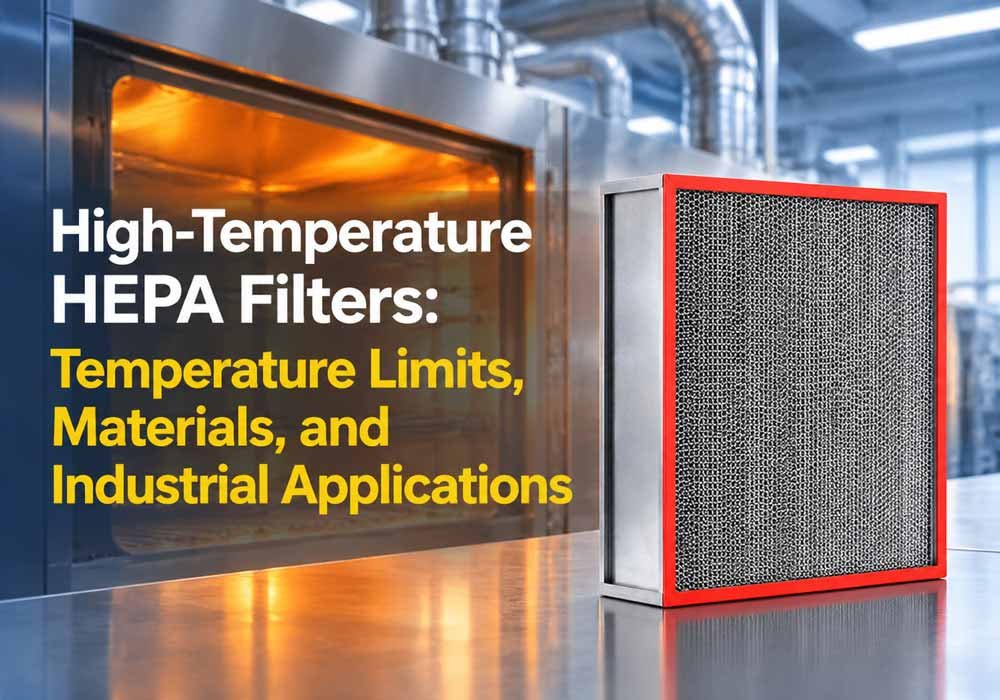
High-Temperature HEPA Filters: Temperature Limits, Materials, and Industrial Applications

Selecting high-temperature HEPA filters takes more than checking their maximum temperature rating. This guide explains how continuous heat, peak temperatures, and thermal cycling influence material selection and sealing performance. Compare H13 and H14 efficiency classes, explore industrial applications, and learn how to specify, test, and maintain a filter that meets your process requirements.
Read More »
Activated Carbon Filter Media Types Compared

Activated Carbon Filter Media Types Compared: Honeycomb, GAC, Pellet, Felt, Foam & Fabric

Choosing the right activated carbon filter media is not just about carbon activity; it is about matching the media format to your airflow, contaminants, pressure-drop limit, and replacement strategy. This guide compares honeycomb activated carbon, GAC, pelletized carbon, impregnated carbon fabric, activated carbon felt, and foam. Learn how each media type differs in capacity, airflow resistance, VOC and odor removal, raw material selection, and application suitability, so you can specify the right filter media for HVAC, industrial exhaust, and OEM air-purification systems.

Read More »
Terminal HEPA Filters for Clean Air

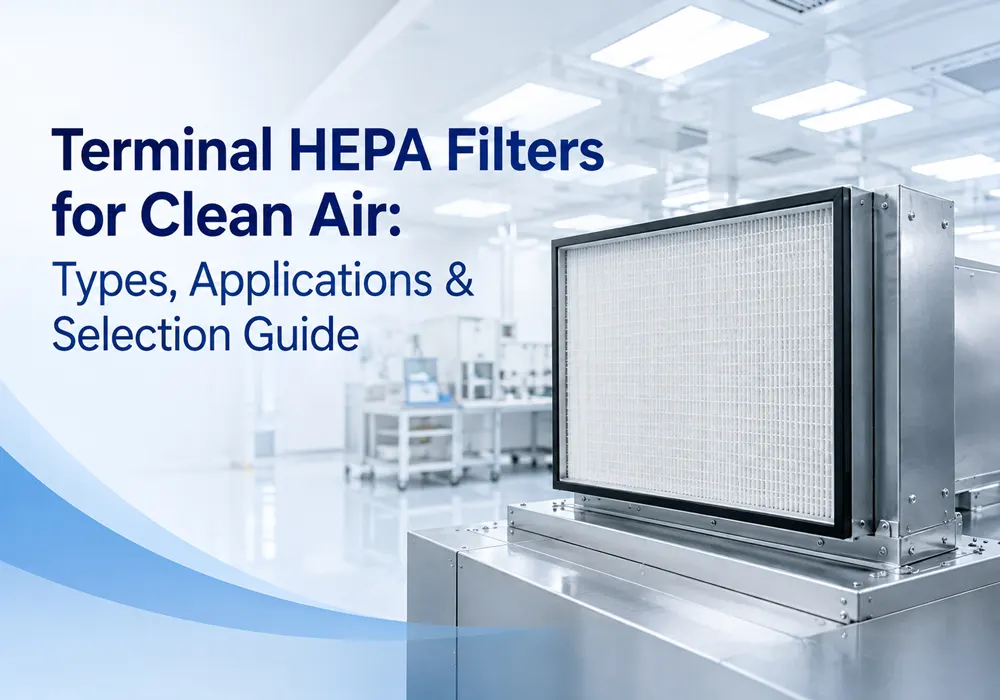
Terminal HEPA Filters for Clean Air: Types, Applications & Selection Guide

Terminal HEPA filters are the final filtration stage in clean-air systems, installed at the point where filtered air enters a cleanroom, laboratory, healthcare facility, or precision manufacturing area. This guide explains how they work, the main types available, where they are used, and the key factors to consider when selecting one. It also covers practical installation and maintenance practices to help you achieve stable airflow, effective sealing, and long-term clean-air performance.

Read More »
EN 1822 vs ISO 29463 - HEPA and ULPA Filter Classes Explained

EN 1822 vs ISO 29463: HEPA and ULPA Filter Classes Explained

EN 1822 and ISO 29463 both classify HEPA and ULPA filters using MPPS performance, but their class structures, test methods, and documentation requirements are not fully interchangeable. This guide explains the differences between H13/H14 and ISO 35 H/ISO 45 H, shows how the filter classes compare, and helps you specify the right efficiency, leakage, and test-report requirements for your cleanroom or HVAC project.

Read More »
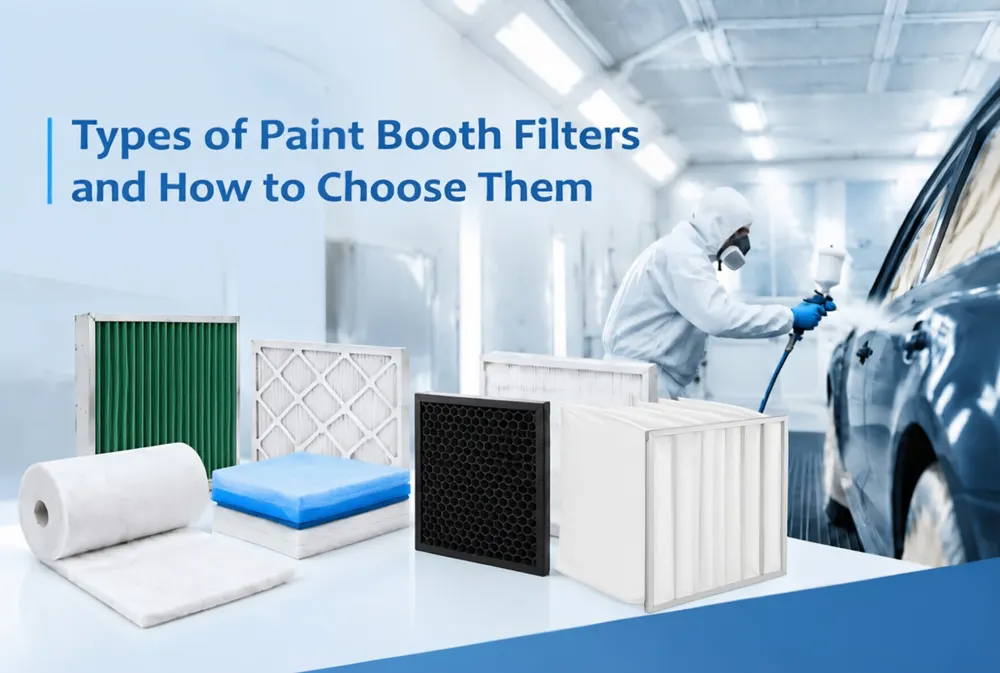
Types of Paint Booth Filters

Types of Paint Booth Filters and How to Choose Them

Choosing the right paint booth filters is essential for clean air, consistent finishes, and reliable overspray and VOC control. This guide explains the main types of paint booth filters, including intake filters, ceiling filters, paint stop filters, exhaust filters, and activated carbon filters, and shows you how to match each filter to your booth design, coating process, airflow requirements, and maintenance needs.

Read More »
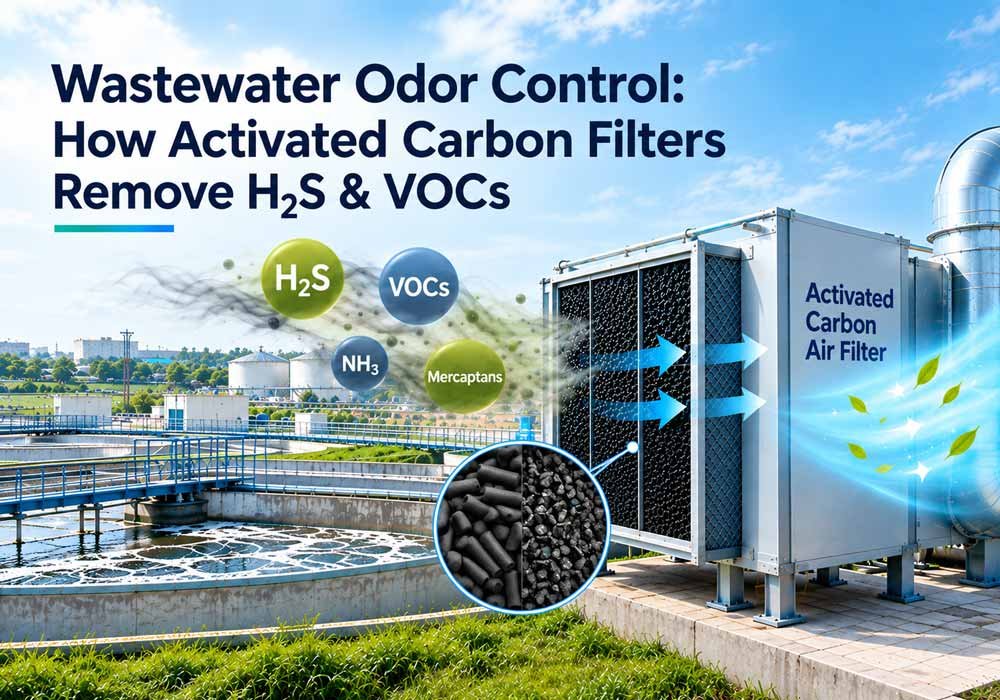
Activated Carbon Filters for Wastewater Odor Control to Remove H2S and VOCs

Wastewater Odor Control: How Activated Carbon Filters Remove H₂S & VOCs

Wastewater treatment plants can release H₂S, VOCs, ammonia, mercaptans, and other odor-causing gases. This guide explains how activated carbon filters work for wastewater odor control, including adsorption principles and carbon filter types. You’ll also learn how activated carbon compares with biofilters and chemical scrubbers, and learn the key factors for selecting an effective odor control system.

Read More »
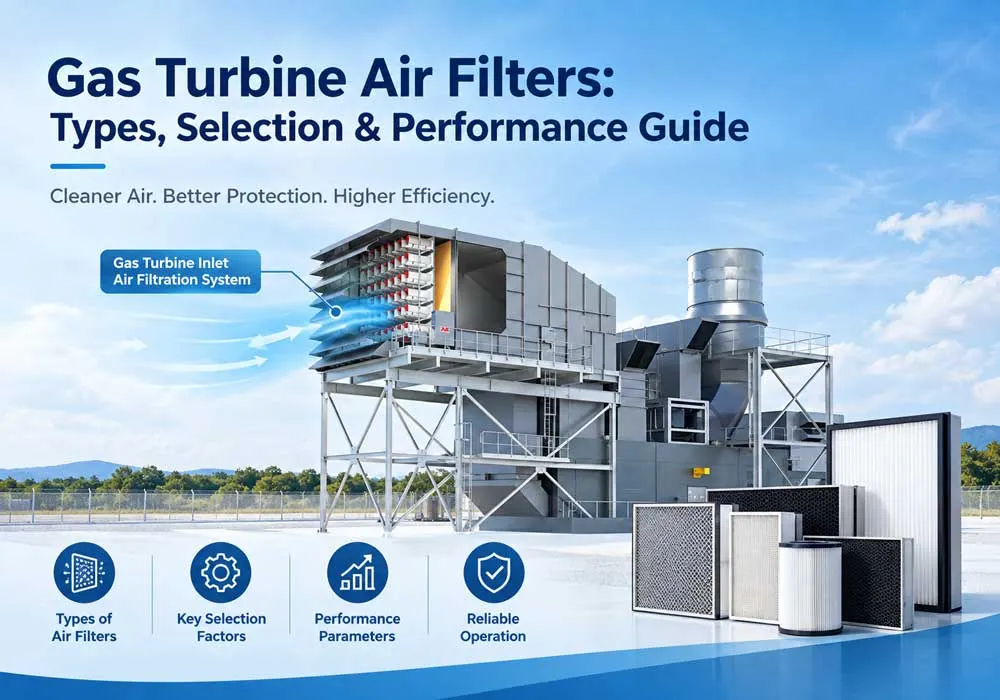
Air Filter for Gas Turbine

Gas Turbine Air Filters: Types, Selection & Performance Guide

Gas turbine air filters play a critical role in protecting compressors from airborne contaminants while supporting reliable and efficient turbine operation. This guide explores the main types of gas turbine inlet air filters, including pre-filters, self-cleaning pulse-jet systems, final filters, and gas-phase filters. You’ll learn how to evaluate filtration efficiency, pressure drop, moisture resistance, and dust-holding capacity. Discover practical tips for selecting the right gas turbine air filter based on your operating environment, maintenance and replacement plan.

Read More »
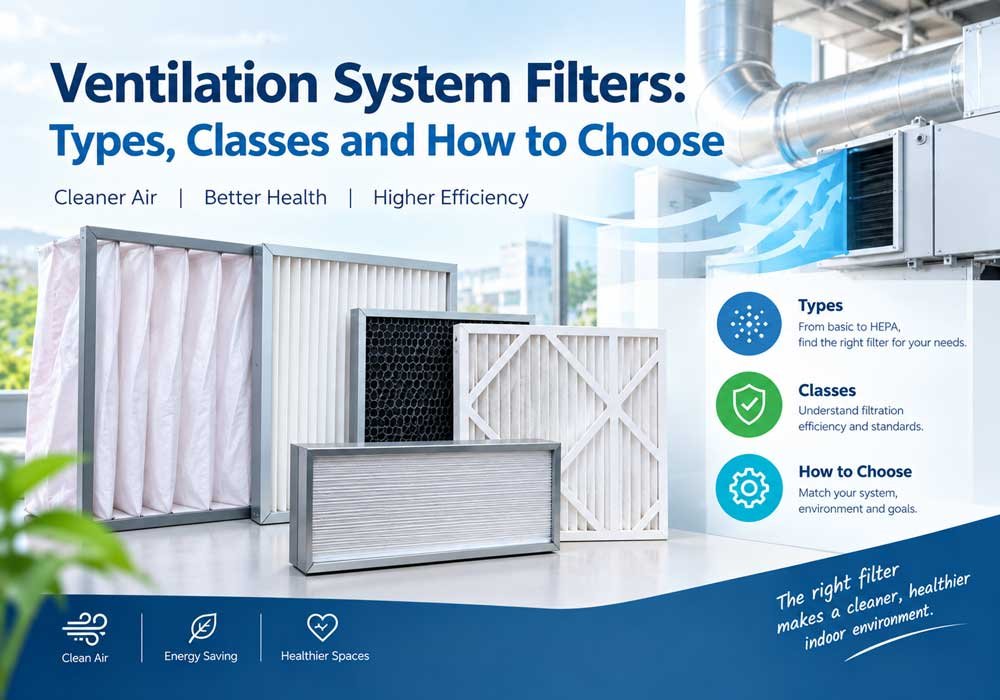
Ventilation System Filters Types

Ventilation System Filters: Types, Classes and How to Choose

This comprehensive guide explains ventilation system filters types—including pre-filters, medium-efficiency filters, HEPA, ULPA, and activated carbon options. Learn how global classification standards (MERV, ISO 16890, EN 1822) work, which filter class matches your application, and how to avoid costly selection mistakes. Whether you’re specifying filters for a commercial office, hospital, cleanroom, or industrial facility, this article gives you the clarity to choose with confidence.

Read More »
Difference between HEPA filter and laminar air flow

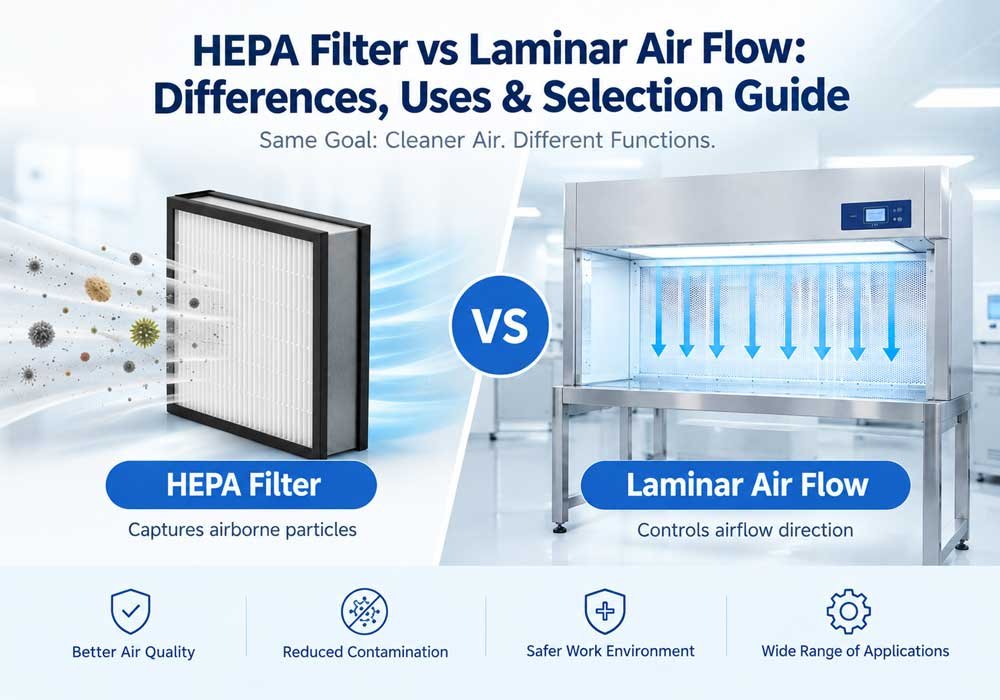
HEPA Filter vs Laminar Air Flow: Differences, Uses & Selection Guide

This guide explains the fundamental difference between a HEPA filter and a laminar air flow (LAF) system: HEPA is a high-efficiency filtration component, while LAF is an engineered unidirectional airflow system that often uses HEPA as its final filter. You’ll learn how each technology works, what they protect (product vs people vs environment), key performance indicators, relevant standards, and a practical selection framework for labs, pharmaceuticals, electronics, and cleanrooms.

Read More »
Filter Types for Industrial Air Handling Units

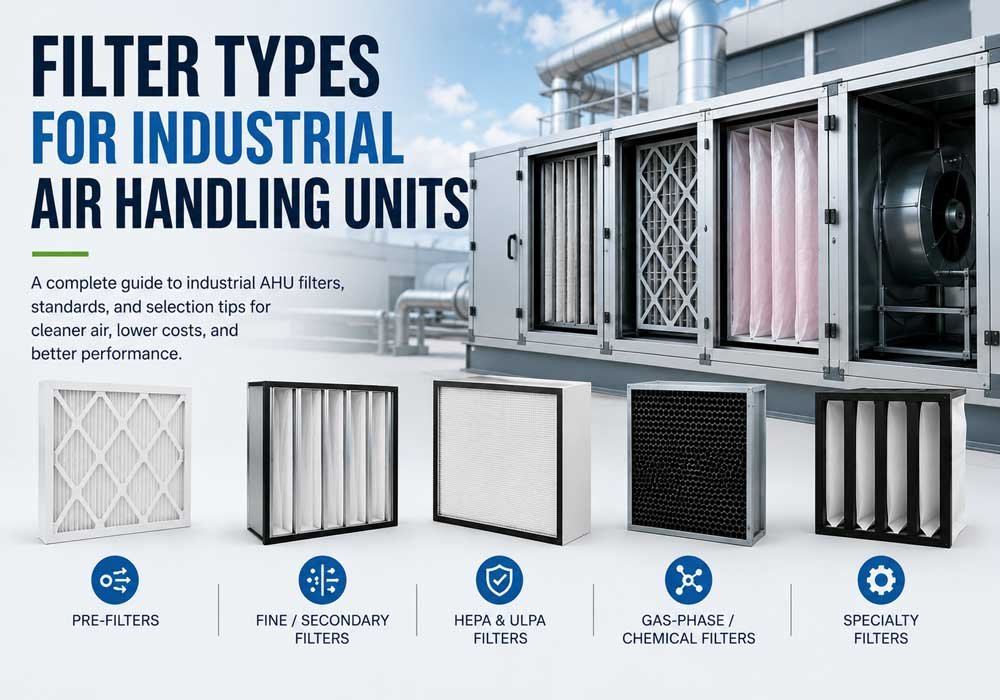
Filter Types for Industrial Air Handling Units

This guide explains the core filter types used in industrial air handling units (AHUs)—from G4 pre-filters to H14 HEPA and activated carbon gas-phase media. You’ll learn where each filter belongs in a typical cascade, how standards like ISO 16890 and EN 1822 apply, and how to match your selection to real operational needs. Practical configurations for factories, offices, hospitals, cleanrooms, and chemical labs are included, along with a five-step selection framework to minimize total cost of ownership while meeting compliance targets.

Read More »
Activated Carbon Air Filter How It Works and What It Removes

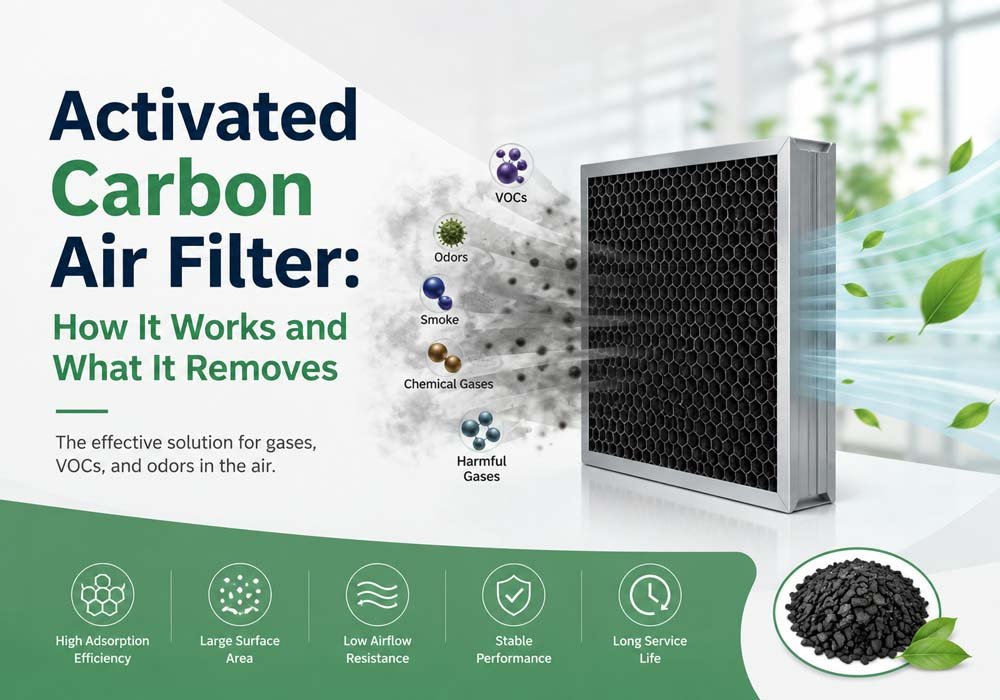
Activated Carbon Air Filter: How It Works and What It Removes

Activated carbon air filter uses porous carbon media to adsorb selected VOCs, odors, solvent vapors, and other gas-phase contaminants. This guide explains how activated carbon filtration works, what it can and cannot remove, the main filter types, common industrial applications, and the key factors to consider when selecting a carbon filter for HVAC or industrial air treatment systems.

Read More »
chemical filter gas phase air filtration guide

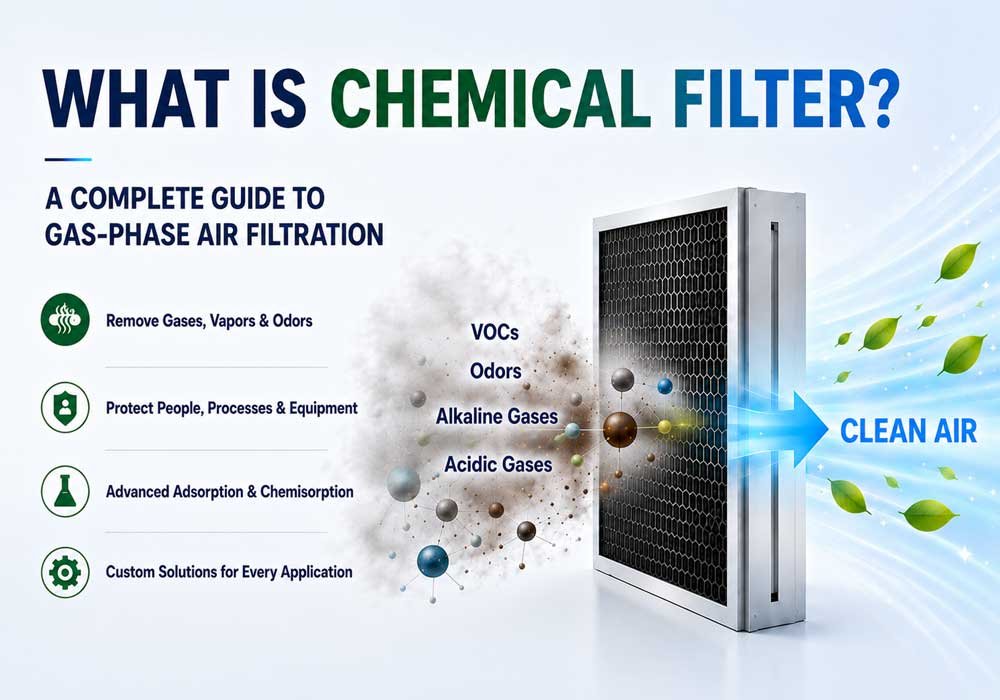
What is Chemical Filter? A Complete Guide to Gas-Phase Air Filtration

Chemical filter, also known as gas-phase filter, is designed to remove gaseous pollutants that conventional particle filters cannot capture. Using activated carbon or chemically treated media, it can helps control VOCs, odors, formaldehyde, ammonia, acid gases, and other molecular contaminants. This guide explains how a chemical filter works, its main types, key performance factors, and common applications, helping you choose the right gas-phase filtration solution for HVAC systems and industrial environments.

Read More »
differences between pre-filter, fine-filter, and-HEPA filter

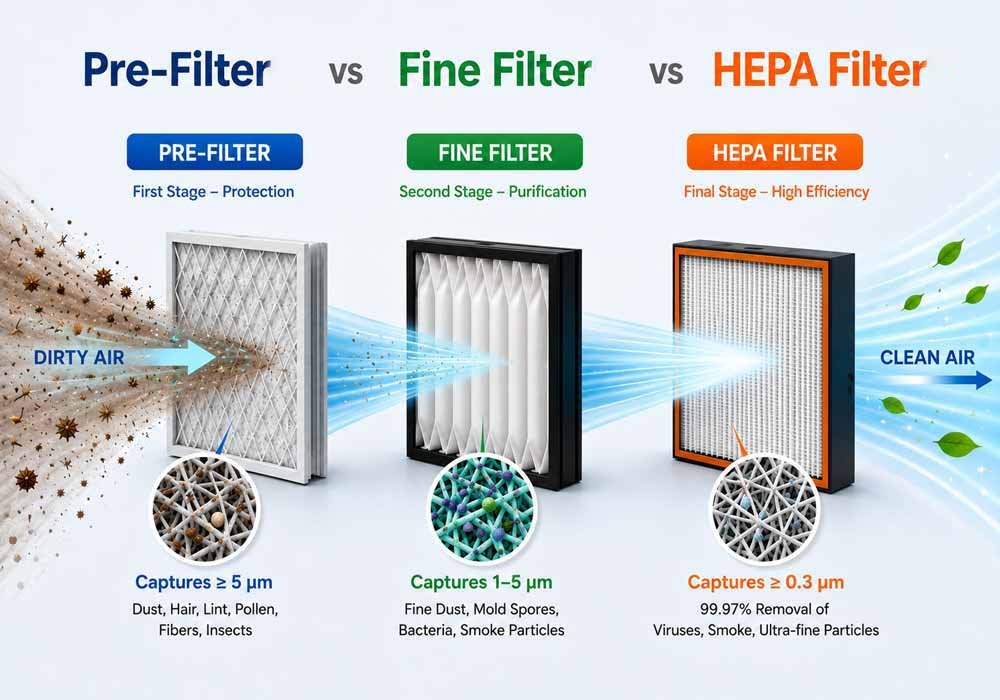
Pre-Filter vs Fine Filter vs HEPA Filter: Key Differences Explained

Pre-filter, fine filter, and HEPA filter each serve a distinct role in industrial air filtration. This guide compares their filtration functions, efficiency classifications, applications, benefits, and filter designs, etc. Learn how to select the right filter stage for HVAC systems, cleanrooms, healthcare facilities, pharmaceutical plants, and other controlled environments while balancing air cleanliness, equipment protection, service life, and operating costs.

Read More »

Contact US for Further Assistance

high-temperature hepa filters selection guide

High-Temperature HEPA Filters: Temperature Limits, Materials, and Industrial Applications

Selecting high-temperature HEPA filters takes more than checking their maximum temperature rating. This guide explains how continuous heat, peak temperatures, and thermal cycling influence material selection and sealing performance. Compare H13 and H14 efficiency classes, explore industrial applications, and learn how to specify, test, and maintain a filter that meets your process requirements.
Read More »
Activated Carbon Filter Media Types Compared

Activated Carbon Filter Media Types Compared: Honeycomb, GAC, Pellet, Felt, Foam & Fabric

Choosing the right activated carbon filter media is not just about carbon activity; it is about matching the media format to your airflow, contaminants, pressure-drop limit, and replacement strategy. This guide compares honeycomb activated carbon, GAC, pelletized carbon, impregnated carbon fabric, activated carbon felt, and foam. Learn how each media type differs in capacity, airflow resistance, VOC and odor removal, raw material selection, and application suitability, so you can specify the right filter media for HVAC, industrial exhaust, and OEM air-purification systems.

Read More »
Terminal HEPA Filters for Clean Air

Terminal HEPA Filters for Clean Air: Types, Applications & Selection Guide

Terminal HEPA filters are the final filtration stage in clean-air systems, installed at the point where filtered air enters a cleanroom, laboratory, healthcare facility, or precision manufacturing area. This guide explains how they work, the main types available, where they are used, and the key factors to consider when selecting one. It also covers practical installation and maintenance practices to help you achieve stable airflow, effective sealing, and long-term clean-air performance.

Read More »
EN 1822 vs ISO 29463 - HEPA and ULPA Filter Classes Explained

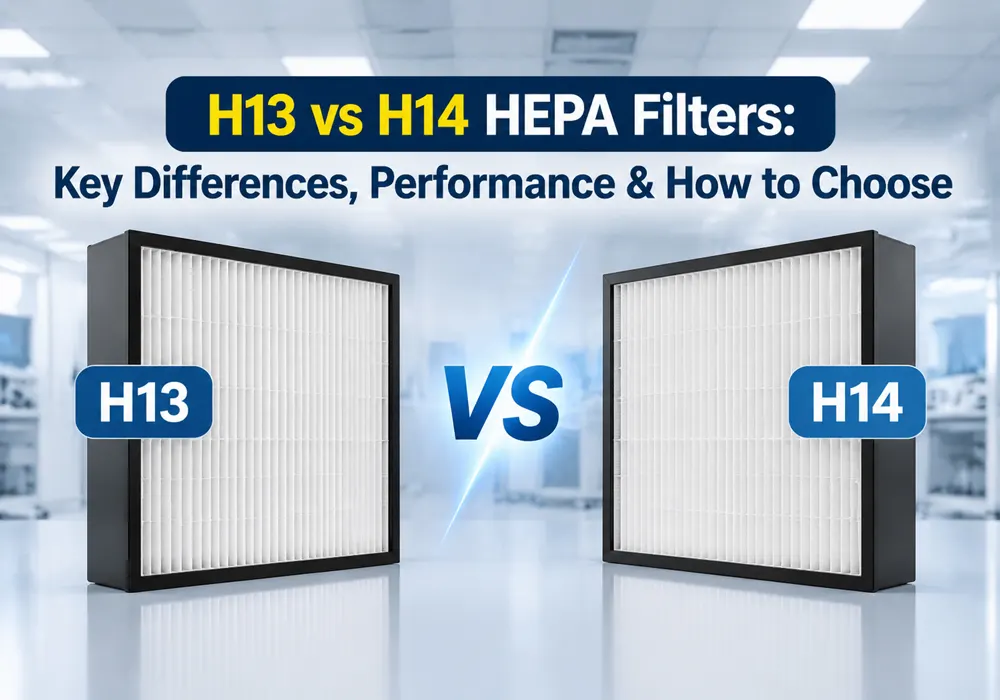
EN 1822 vs ISO 29463: HEPA and ULPA Filter Classes Explained

EN 1822 and ISO 29463 both classify HEPA and ULPA filters using MPPS performance, but their class structures, test methods, and documentation requirements are not fully interchangeable. This guide explains the differences between H13/H14 and ISO 35 H/ISO 45 H, shows how the filter classes compare, and helps you specify the right efficiency, leakage, and test-report requirements for your cleanroom or HVAC project.

Read More »
Types of Paint Booth Filters

Types of Paint Booth Filters and How to Choose Them

Choosing the right paint booth filters is essential for clean air, consistent finishes, and reliable overspray and VOC control. This guide explains the main types of paint booth filters, including intake filters, ceiling filters, paint stop filters, exhaust filters, and activated carbon filters, and shows you how to match each filter to your booth design, coating process, airflow requirements, and maintenance needs.

Read More »

Contact US for Further Assistance

Get Your Tailored Air Filter Solution

Share your requirements with our air filtration specialists, and we will get back to you within 24 hours.