Air Filter Applications
Explore the diverse applications of industrial air filters to enhance air quality and ensure the stable operation of equipment.
Automotive Industry
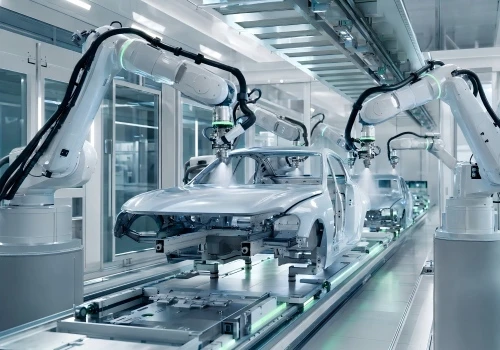
Air filtration technology is essential in automotive manufacturing and spray painting processes. In paint shops, high-efficiency filters are used to remove dust, paint mist, and VOCs, helping ensure a smooth vehicle surface finish and reducing rework.
Engine intake systems also rely on high-efficiency filter to block airborne particles, protect engine components, and extend maintenance cycles. In vehicle assembly and interior production areas, air filter helps reduce particulate contamination, improves product consistency, and supports better in-cabin air quality.
Petrochemical Industry
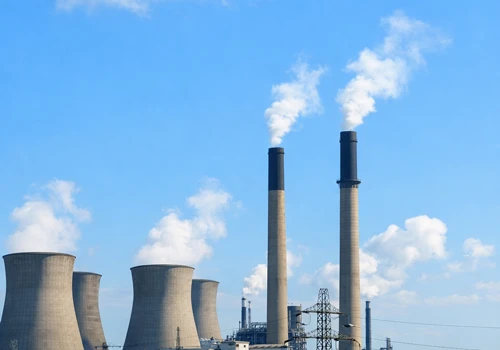
Petrochemical environments often contain corrosive gases, dust, and VOCs. Air filter plays a vital role in equipment protection and personnel safety.
Chemical filtration media can effectively absorb acidic gases such as SO2 and H2S, reducing corrosion risks for gas turbines, control rooms, air compressors, and electronic equipment. High-efficiency filters also reduce the amount of dust entering critical systems, improving operational stability and lowering maintenance and downtime costs.
Electronics Industry
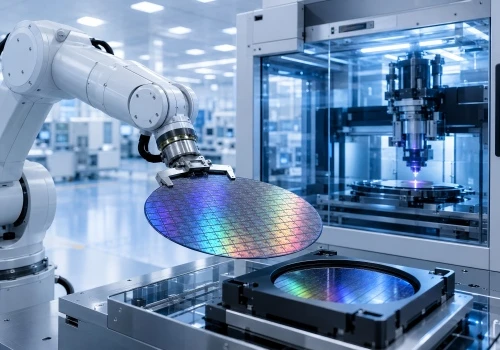
The electronics manufacturing industry is extremely sensitive to airborne particles. Air filters play a critical role in PCB production, semiconductor packaging, and precision assembly workshops, where they help remove dust, odors, and airborne contaminants while also supporting sterilization and disinfection needs.
Electronic cleanrooms typically utilize high-efficiency filtration systems, such as HEPA and ULPA filters, which achieve filtration efficiencies of over 99.97% and 99.999%, respectively. These systems help maintain cleanliness levels and reduce the risk of static electricity, which is especially important in sensitive electronic production environments.
Biopharmaceutical Industry
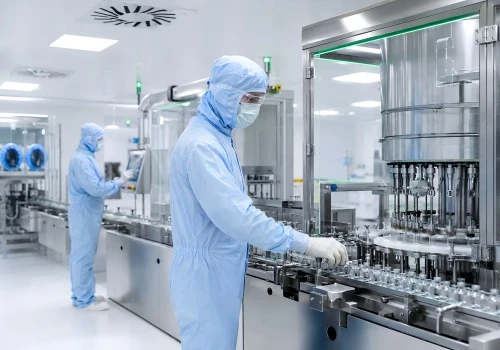
The biopharmaceutical industry has even stricter air quality requirements. Sterile production areas, cell culture rooms, and pharmaceutical packaging zones all depend on advanced air filtration systems to prevent microbial and particulate contamination.
HEPA and ULPA filters help critical areas comply with GMP, FDA, and EU pharmaceutical regulatory standards, reducing the risk of batch contamination and improving production consistency. Chemical filter can also remove gas-phase pollutants generated during processing, protecting both personnel and equipment.
Laboratories
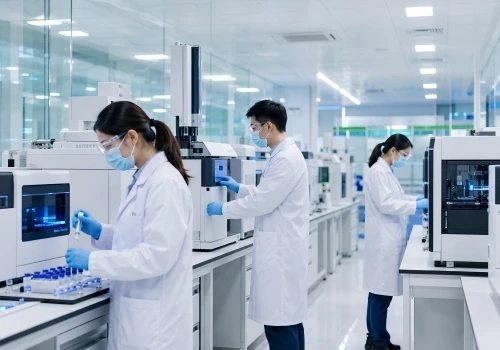
Laboratory environments require a very high level of air cleanliness. Air filters are used to control particulate matter, chemical gases, and microbial contamination, helping ensure accurate experimental results and safer working conditions.
Chemical laboratories depend on chemical filtration media to absorb acidic gases and harmful vapors. Microbiology laboratories and aseptic work areas use HEPA or ULPA filters to maintain sterile conditions, while precision instrument rooms rely on high-efficiency filtration to minimize particle interference and prevent instrument drift or damage. These systems also help laboratories meet international cleanroom standards such as ISO 14644.
Hospital Operating Rooms
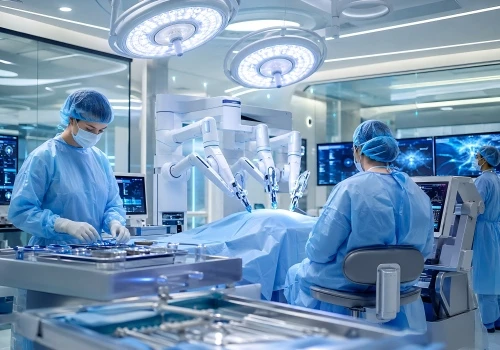
Hospital operating rooms, ICUs, and isolation wards require extremely high air cleanliness standards. HEPA H13/H14 filtration systems are widely used to reduce airborne infection risks and maintain sterile surgical environments.
Isolation rooms use negative pressure and high-efficiency filter to control pathogen spread, while medical laboratories and support areas rely on advanced filtration to maintain clean air conditions. These systems are designed to support compliance with ASHRAE 170 medical ventilation standards and provide a safer environment for both patients and healthcare workers.
HVAC Systems
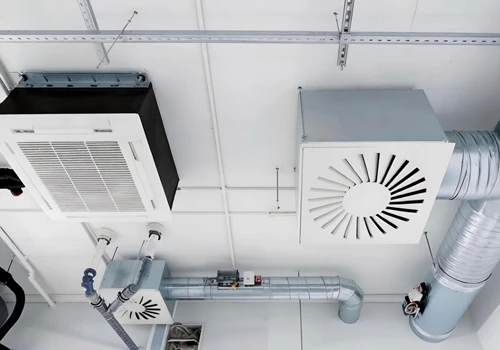
Air filters are a key part of HVAC systems in commercial buildings, airports, schools, hospitals, and industrial facilities. High-efficiency filters effectively remove airborne particles, thereby improving indoor air quality.
High-dust-capacity filter media reduces replacement frequency and helps lower operating costs. In high-traffic spaces such as airports and shopping centers, high-efficiency filtration systems help maintain cleaner air and support growing demand for energy-efficient, environmentally friendly, and healthy indoor environments.
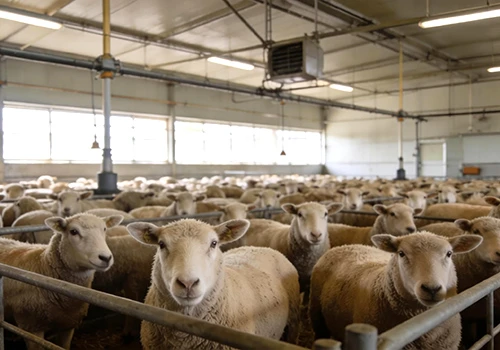
Livestock Industry
Air filter in livestock facilities often contains ammonia, dust, and pathogens. Air filtration technology can significantly improve animal health and the overall farming environment.
Air filtration systems help reduce the transmission of airborne diseases and improve biosecurity in breeding centers and high-density livestock farms.
Chemical filters lower ammonia concentration and improve air quality, while particulate filters reduce dust generated in feed processing areas, protecting equipment and improving overall operational efficiency.
Food and Beverage Industry
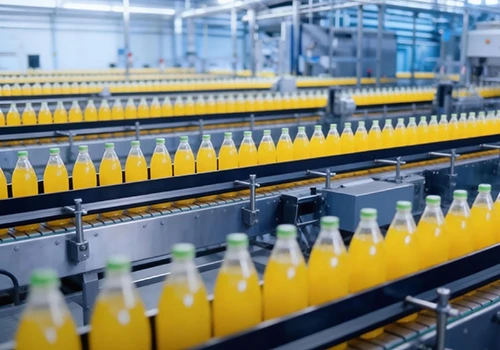
Air purification equipment is widely used in food processing plants to filter air and maintain clean, sanitary production environments. A combination of primary, intermediate, and high-efficiency filters is often used to remove dust, microorganisms, and suspended particles, helping ensure cleanliness from the source.
These systems also help extend shelf life, improve product quality, and support stable production conditions. In food processing facilities, clean air is essential not only for hygiene compliance but also for maintaining consistent product safety and performance.