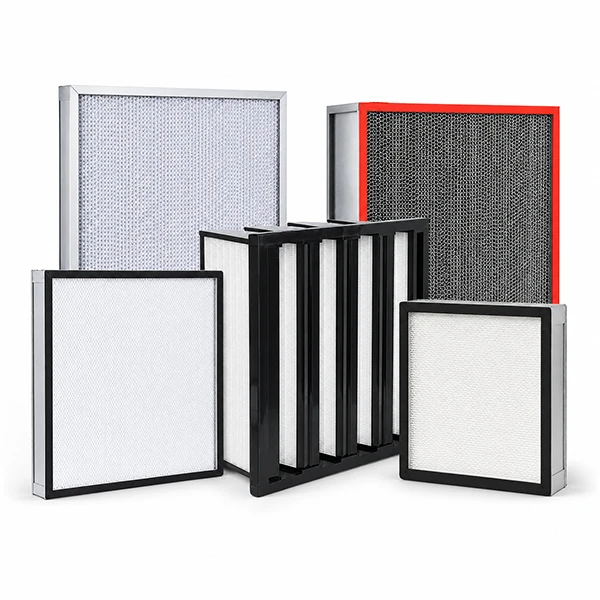
Custom High-Performance HEPA & ULPA Air Filter Manufacturer
Cencarb is a premier HEPA & ULPA filter manufacturer backed by 100,000 m² self-owned factory and advanced manufacturing capabilities. We deliver customized E10–U17 high-efficiency air filtration solutions for cleanrooms, industrial HVAC systems, and other critical environments, ensuring reliable performance and consistent quality.
HEPA & ULPA Filtration Solutions for Cleanroom & HVAC Systems
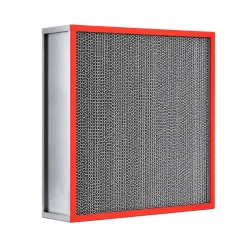
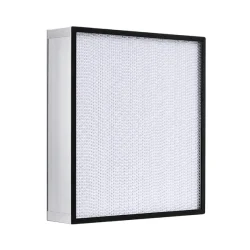
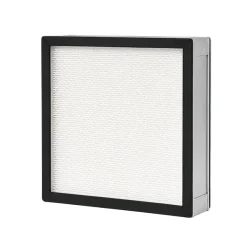
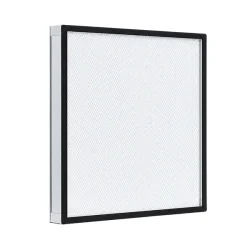
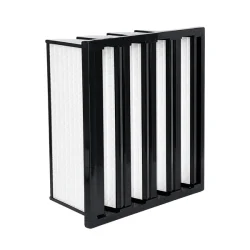
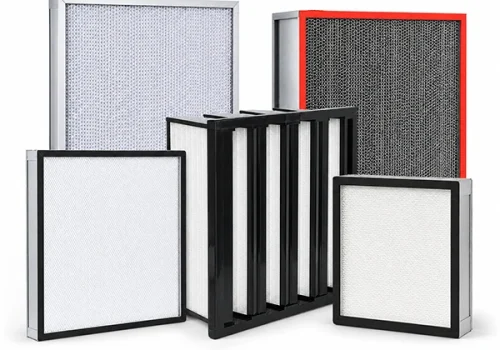
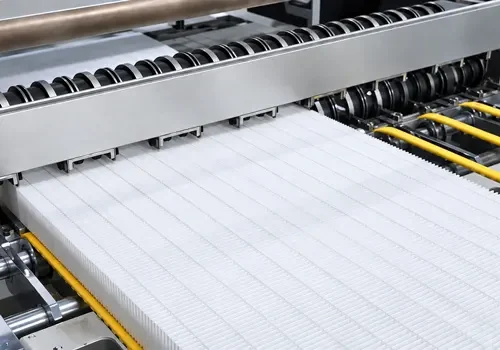
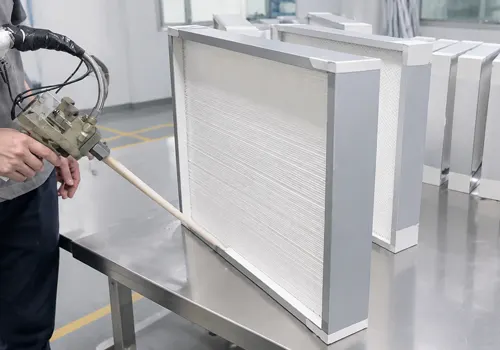
Our industrial HEPA and ULPA filters deliver reliable terminal filtration for cleanrooms, pharmaceutical, semiconductor, electronics, and laboratory environments. Available in separator, mini-pleat, high-temperature, and other types of designs, they combine high filtration efficiency with low pressure drop and long service life. Custom sizes and configurations are available for OEM and project needs.
Type: separator, mini-pleat, high-temperature, and other.
Custom HEPA & ULPA Filters Built to Your Project Specifications
Your project doesn’t have to match standard catalog specifications. We customize filter dimensions, frame materials, media grades, construction, and sealing configurations based on your specific application and installation requirements, ensuring precise manufacturing specifications for every custom and bulk order.
Dimensions & Geometry
Customize overall dimensions, filter depth, pleat configurations, frame profiles, and dimensional tolerances to match your equipment and installation requirements.
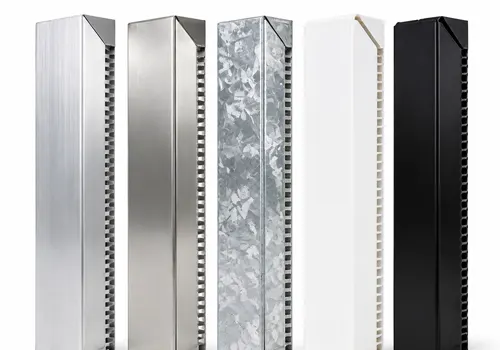
Frame Materials
Choose from aluminum, galvanized steel, stainless steel, or other suitable frame materials to meet different application and operating conditions.
Media & Efficiency Grades
Select fiberglass, PTFE, or other high-performance filter media with customized efficiency grades from HEPA to ULPA to meet your filtration targets.
Sealing & Mounting
Configure polyurethane gaskets, gel seals, knife-edge interfaces, flange details, and mounting structures to ensure secure installation and minimize air leakage.
Performance Requirements
Specify filtration efficiency, airflow, initial pressure drop, operating temperature, humidity, and other performance parameters for your application.
OEM Packaging & Labeling
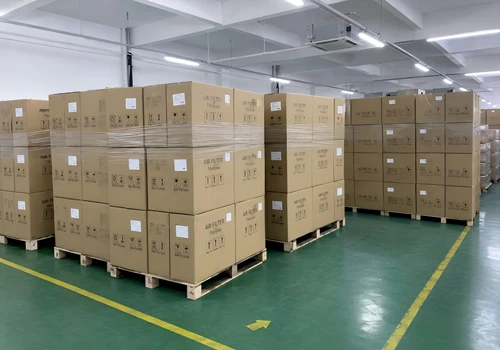
Support custom branding, product identification, barcode printing, protective packaging, and project-specific documentation for bulk OEM orders.
Fully customized manufacturing means producing filters to an agreed project specification. Review and confirm material suitability, achievable performance, operating limits, and testing and verification requirements before production.
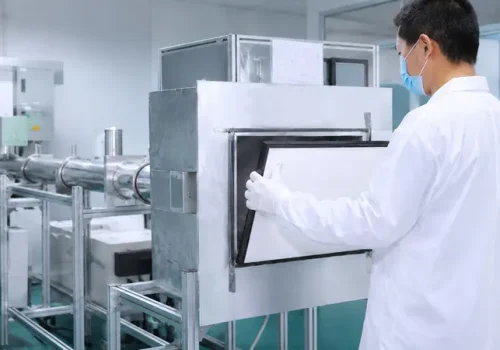
Explore the key specifications of our high-efficiency HEPA and ULPA filters, from H13 to U17, including filtration efficiency, initial resistance, filter media, and frame materials. Our filters are rigorously tested to meet EN 1822 / ISO 29463 standards, ensuring maximum reliability for critical environments.
Filter Class (EN 1822)
Efficiency (MPPS)
Initial Resistance (Pa)
Filter Media
Frame Material Options
H13 (HEPA)
≥ 99.95%
≤ 220 Pa
Ultra-fine Fiberglass / PTFE
Aluminum, Galvanized Steel, SUS
H14 (HEPA)
≥ 99.995%
≤ 250 Pa
Ultra-fine Fiberglass / PTFE
Aluminum, Galvanized Steel, SUS
U15 (ULPA)
≥ 99.9995%
≤ 280 Pa
Ultra-fine Fiberglass
Anodized Aluminum Profile
U16 (ULPA)
≥ 99.99995%
Custom Design
Ultra-fine Fiberglass
Anodized Aluminum Profile
U17 (ULPA)
≥ 99.999995%
Custom Design
Ultra-fine Fiberglass
Anodized Aluminum Profile
Engineered Filter Media for HEPA & ULPA Applications
High-efficiency HEPA filter performance goes beyond efficiency ratings. The filter media’s physical properties, including fiber structure, temperature resistance, and moisture resistance, directly affect filtration performance, service life, and maintenance costs. The three mainstream HEPA filter materials are glass fiber, PTFE membrane, and synthetic fiber (primarily PP melt-blown), each with its own ideal use cases.
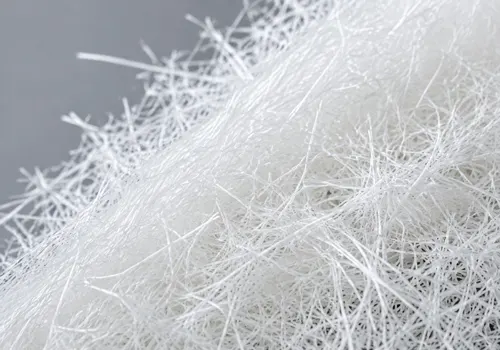
Fiberglass (Microglass)
The industry standard for high-efficiency filtration. Its fine fiber structure delivers reliable particle capture and stable filtration performance.
Key Advantages
Cost-effective upfront and holds a lot of dust before needing replacement.
Considerations
Relatively fragile. Requires careful handling and proper installation to prevent media damage, and it handles high humidity or wet environments poorly.
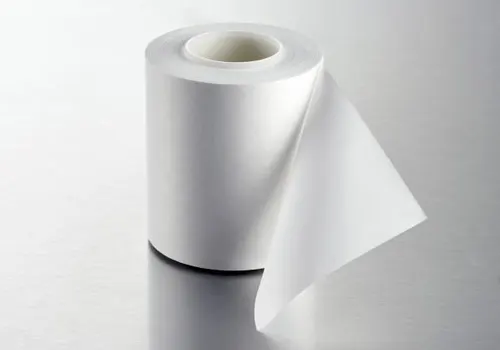
PTFE Media
A high-performance option for demanding environments. PTFE media offers excellent chemical and moisture resistance, plus stable filtration.
Key Advantages
Excellent chemical stability, low moisture absorption, and reliable performance in challenging operating conditions.
Considerations
Higher material costs. Compatibility and performance should be evaluated based on the specific application.
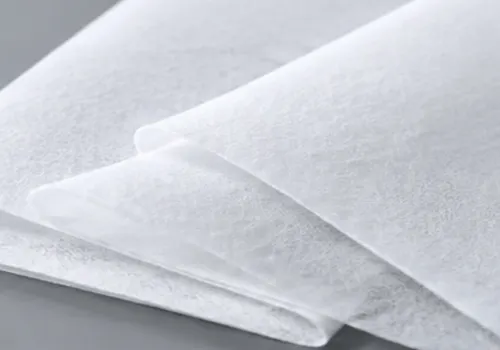
Synthetic fiber (PP)
A lightweight and moisture-resistant option for specialized filtration designs. PP media offers flexible processing and good chemical resistance.
Key Advantages
Lightweight, moisture-resistant, and chemically stable against many common substances.
Considerations
Limited high-temperature resistance. HEPA/ULPA efficiency depends on the specific media structure and verified test results.
Three Major High-Efficiency HEPA Filter Media Compared
Property
Glass Fiber
PTFE
Synthetic (PP)
Filtration Efficiency
Up to ULPA grade (99.9999%@0.3μm)
Up to ULPA grade; stable efficiency
HEPA grade achievable; high initial efficiency via electrostatic charge
Filtration Mechanism
Pure mechanical (sieving, inertia, diffusion)
Surface filtration (precisely arranged pores)
Mechanical + electrostatic adsorption
Initial Pressure Drop
Relatively high
Lowest (slip-flow effect)
Low
Temperature Resistance
High, up to 500°C+
Up to ~260°C
PP < 150°C
Moisture Resistance
Poor; degrades in humid conditions
Excellent; waterproof
Moderate
Chemical Resistance
Poor; susceptible to acid/alkali corrosion
Excellent; resists nearly all chemicals
PP resists acids/alkalis
Fiber Shedding
Higher shedding rate
Minimal
Lower
Cost
Low; mature technology
High; but longer lifespan
Moderate
Service Life
Moderate
Long; slow dust accumulation
Moderate (affected by electrostatic decay)
Get Your Tailored Air Filter Solution
Share your requirements with our air filtration specialists, and we will get back to you within 24 hours.